-
2nd March 2026
प्रयोगशाला परिचारक और तकनीशियन (ऑडियो विजुअल) की भर्ती: अंक और उत्तर कुंजी
-
24th February 2026
विज्ञापन संख्या WII/ADVT. 1/RP–CELL/ जनवरी, 2026 के लिए 16-18 फरवरी, 2026 के बीच आयोजित ऑनलाइन साक्षात्कार का परिणाम।

-
20th February 2026
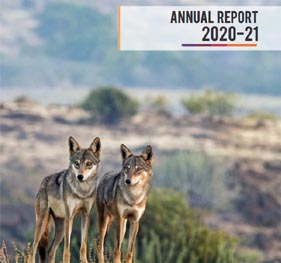
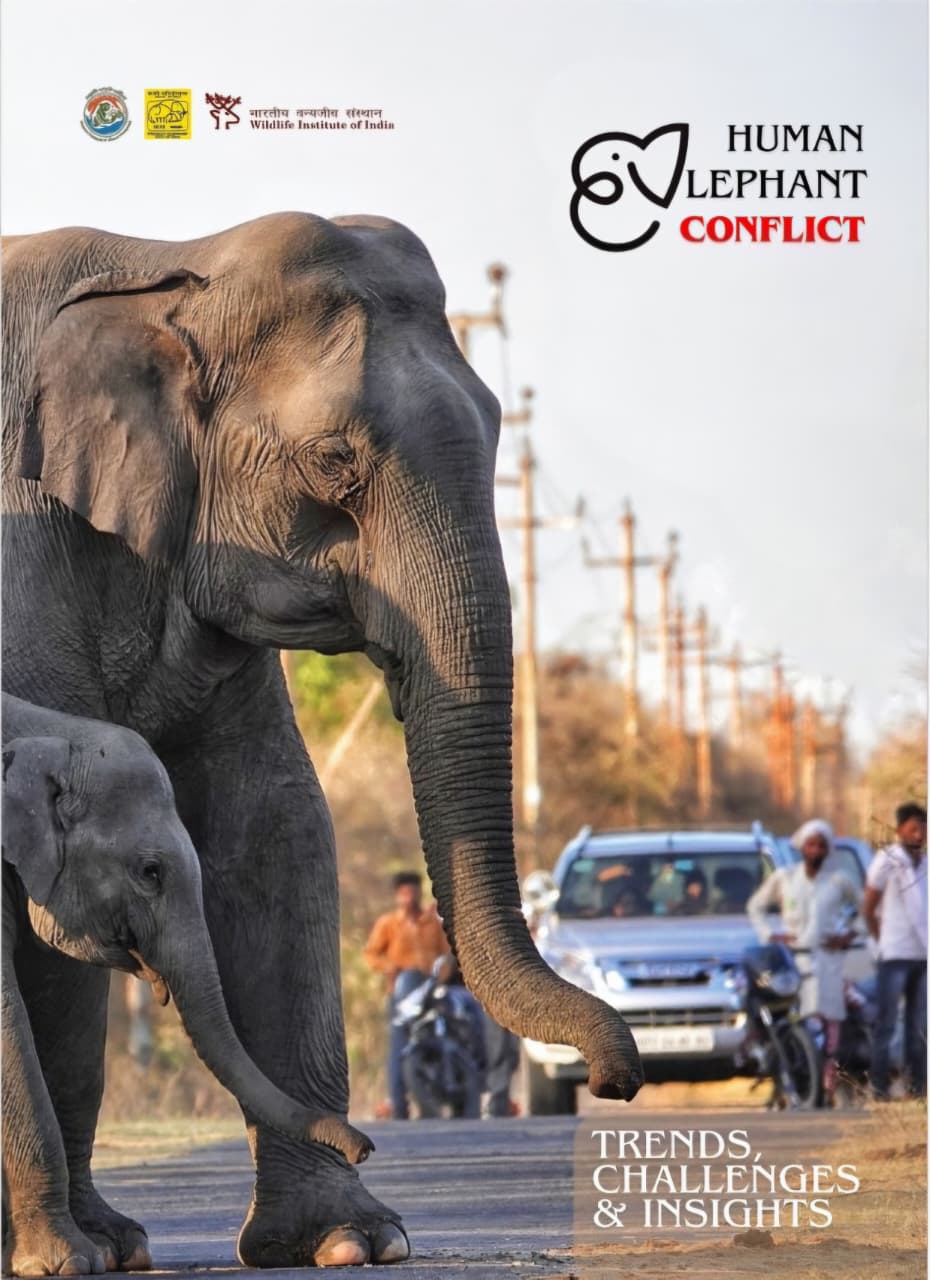
वर्ष 2023-24 की वार्षिक रिपोर्ट
-
20th February 2026
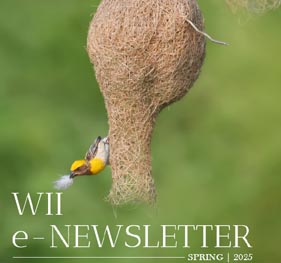
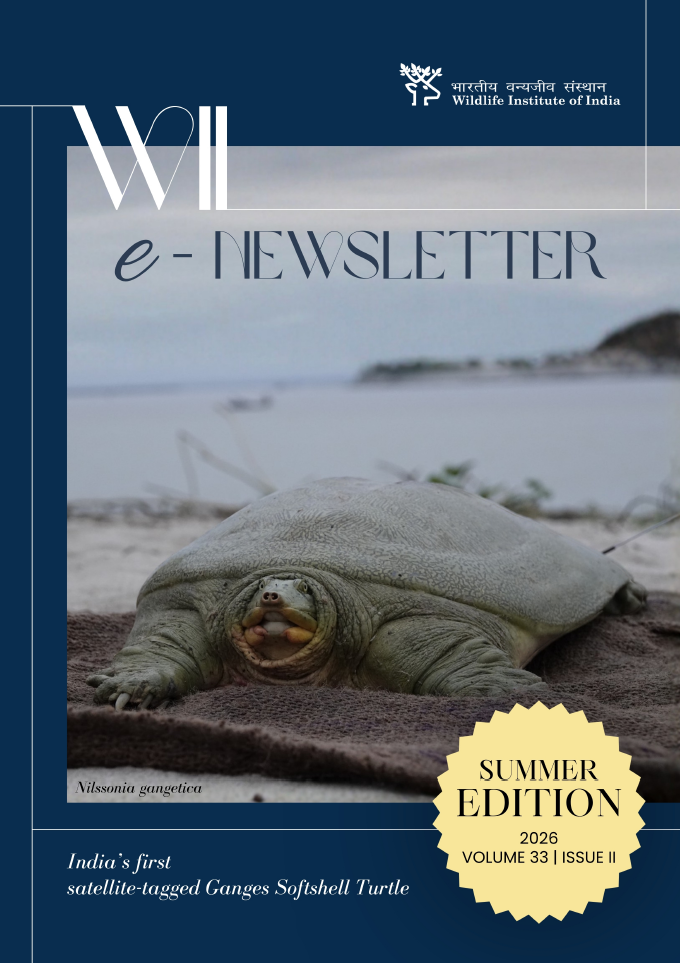
डब्ल्यूआईआई का ई-न्यूज़लेटर खंड 32, अंक IV, शीतकालीन संस्करण 2025
-
18th February 2026
कर्मचारी भर्ती, 2025 के अंतिम परिणाम की घोषणा
-
11th February 2026
विज्ञापन संख्या WII/ADVT. 1/RP–CELL/जनवरी, 2026 के ऑनलाइन इंटरव्यू के लिए शॉर्ट-लिस्ट किए गए कैंडिडेट की लिस्ट
Wildlife Institute of India
Established in 1982, Wildlife Institute of India (WII) is an internationally acclaimed Institution, which offers training program, academic courses and advisory in wildlife research and management. The Institute is actively engaged in research across the breadth of the country on biodiversity related issues.
The Wildlife Institute of India is a nodal national agency for research and training in the field of wildlife conservation. The institute is a four-star top rated accredited institute as per the Capacity Building Commission amongst all National Civil Service Training Institute. Its mandate includes generating quality knowledge in wildlife science and complement national efforts in wildlife conservation. Over the years it has served the urgent capacity building needs for scientific planning, management and research in the field of wildlife conservation both in country and the region.
30
+ Faculty
1028
+ Researcher(s)
49
% Women
129
+ Staff
News & Events
Academics
Preparing students to make meaningful contributions to society for conservation of WIldlife in India
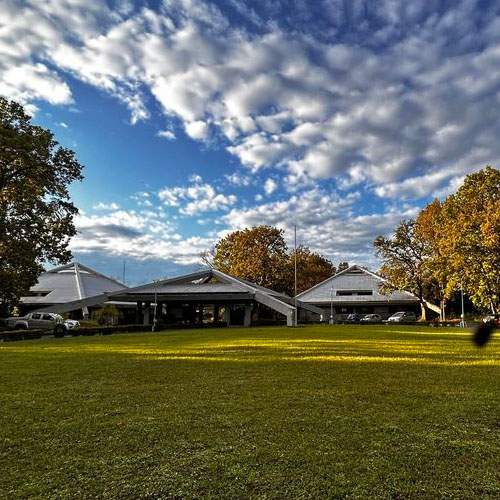
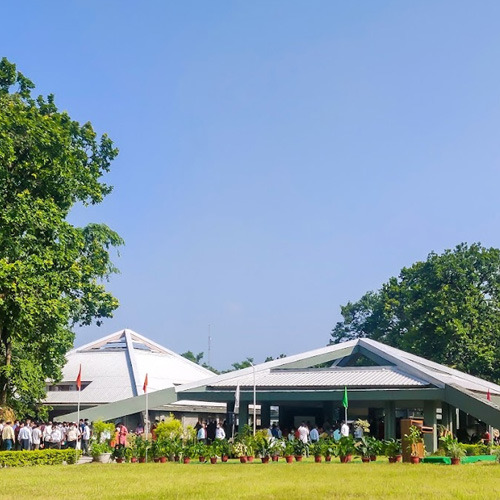
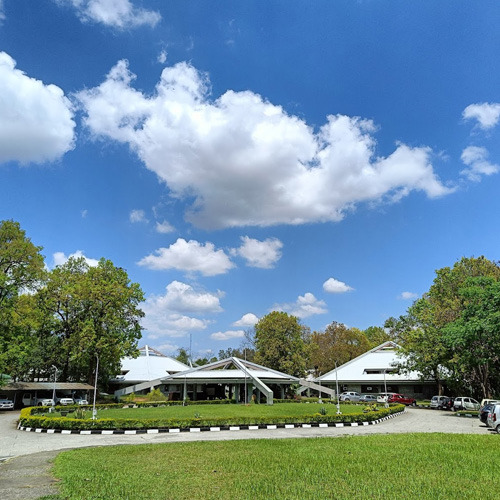
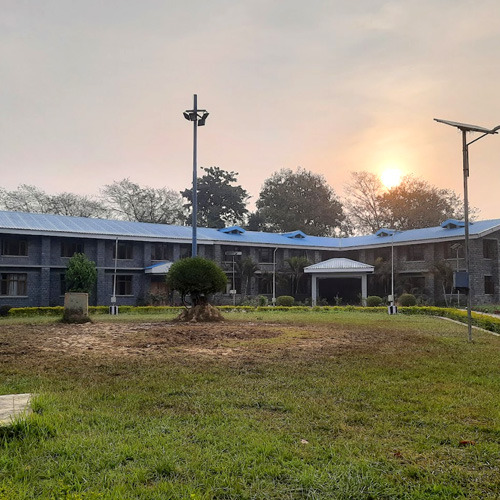
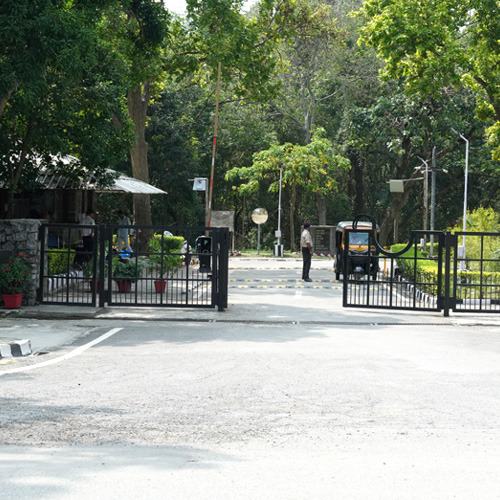
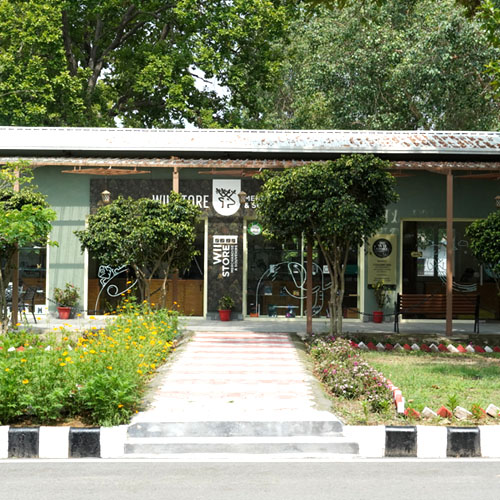
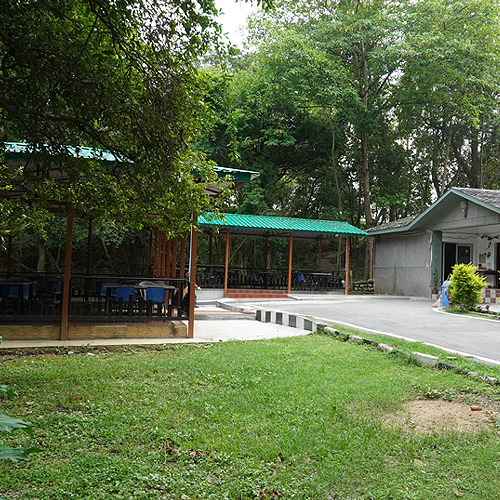
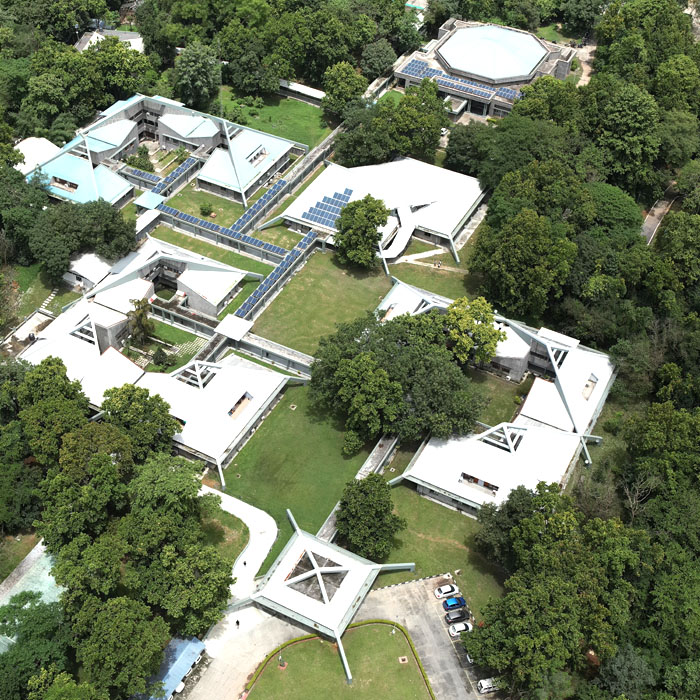
Campus @ a Glance
Campus Biodiversity
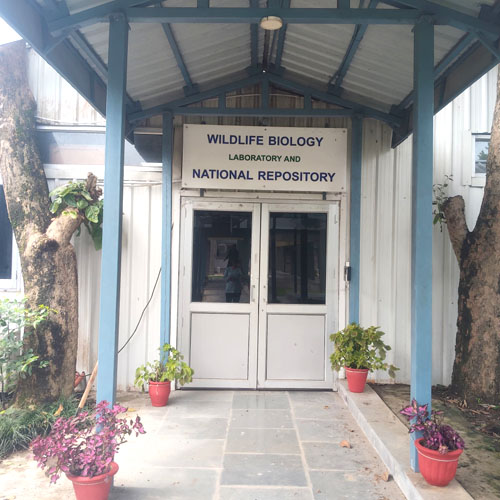
National Repository
Projects
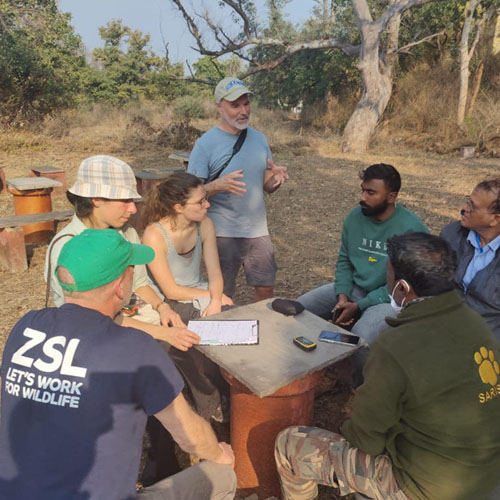
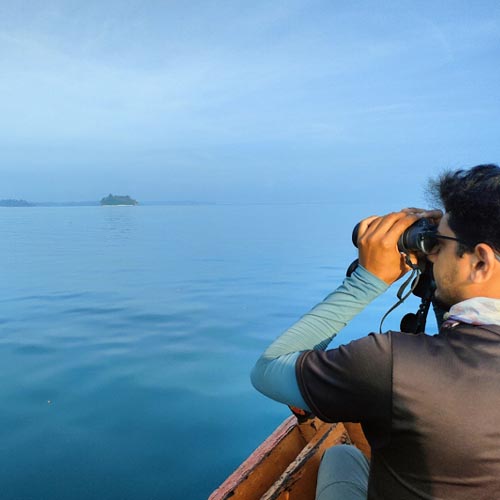
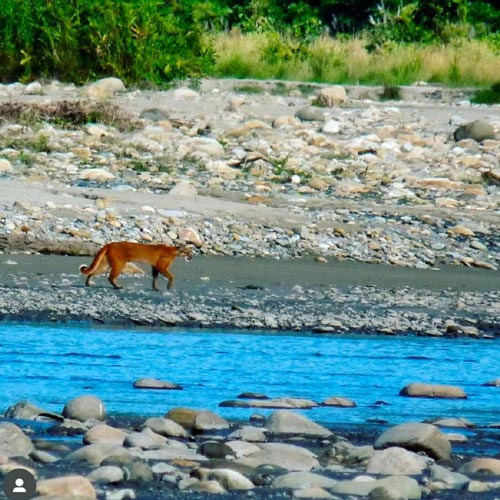
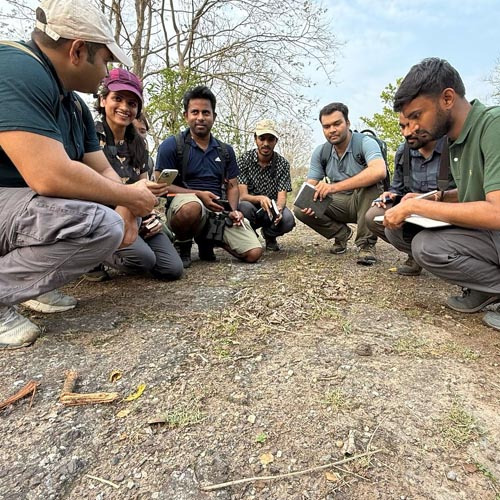
WII’s research projects are multidisciplinary in nature and span across diverse biogeographic zones of India, including the Himalayas, Western Ghats, Terai, Deccan Plateau, Northeast, and coastal ecosystems. These projects are categorized broadly under themes such as species ecology and recovery, landscape and habitat conservation, human-wildlife interactions, ecosystem services, climate change, and conservation genetics.
Go Explore